
Uncategorized
How to spot a fake ID
Nov

How to spot a fake ID, Spotting a fake ID used to be simple—cheap plastic, a grainy photo, or an out-of-state license that didn’t quite make sense. But today’s counterfeits are a different challenge entirely. With high-resolution printing, scannable barcodes, and holographic overlays, many fakes are nearly indistinguishable from the real thing—especially during the rush of a packed Friday night lineup.
For nightclub security teams and bar staff, that creates a serious problem. Fake IDs don’t just bring legal risk—they can jeopardize your liquor license, damage your venue’s reputation, and compromise guest safety. And while ID scanners in clubs add an important layer of protection, many venues still rely heavily on manual checks at the door.
How to spot a fake ID, This guide is here to help close that gap. Whether you’re working the entrance, supervising a team, or updating your security procedures, we’ll walk you through how to spot and handle questionable IDs calmly, confidently, and professionally.
Spotting a Fake ID: Red Flags to Watch For
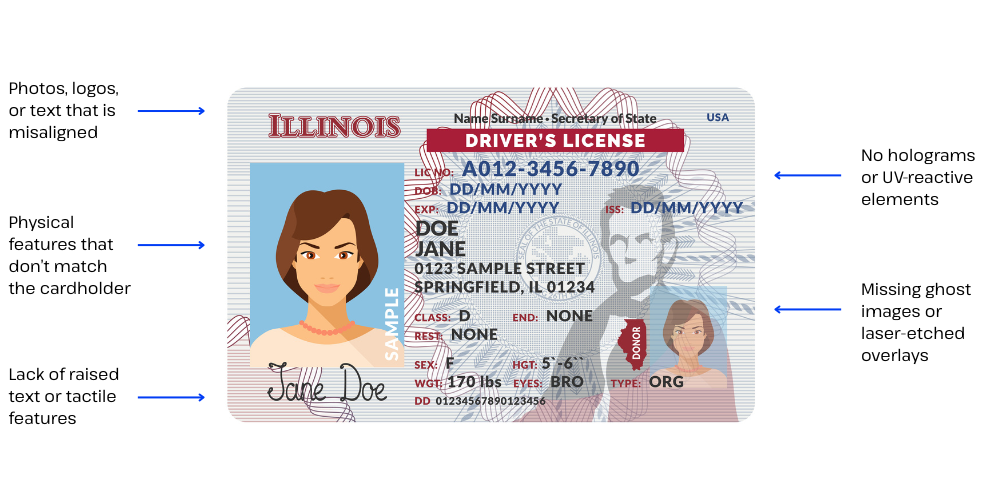
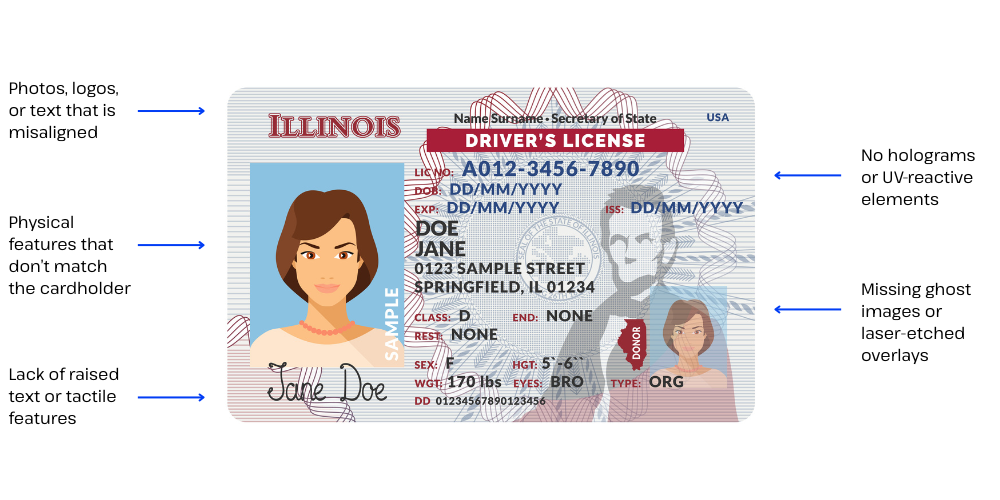
Even if you have an ID scanner for age verification at the door, it’s still crucial for your staff to recognize suspicious behavior or design flaws that may indicate a fake. While technology like a fake ID scanner can catch most counterfeit attempts, the following warning signs should prompt a closer look during a manual inspection:
Physical Inconsistencies
-
Blurry, pixelated, or low-resolution printing
-
Rough or uneven edges, or borders that don’t line up
-
Missing, altered, or incorrect security elements (such as holograms or UV features)
-
Laminate that’s bubbling, lifting, or peeling
Information Mismatches
-
Height, eye color, or facial features that don’t match the individual
-
Font styles or text sizes that look inconsistent across the card
-
Strange expiration dates, layout errors, or barcodes that don’t line up properly
Behavioral Cues
-
Nervous, hesitant, or rehearsed responses
-
Avoiding eye contact when asked simple questions
-
Delayed reactions, fumbling with the ID, or appearing unsure about handing it over
-
Becoming defensive, irritated, or overly argumentative when questioned
How to spot a fake ID, Some venues train their door staff to ask simple verification questions like, “What’s your ZIP code?” or “What’s your zodiac sign?” The goal isn’t to interrogate guests—it’s simply to confirm that they genuinely know the details printed on their ID.
While these cues can be helpful in the moment, even well-trained staff can still miss today’s highly convincing counterfeits. This is why many top venues now rely on ID scanners for nightclubs to verify age and authenticate IDs in real time. Still, combining human observation with digital verification tools provides the strongest and most reliable frontline defense.
How to Spot a Fake ID by State
educate your staff on How to spot a fake ID in your state by familiarizing them with your state’s ID security features. Here are the top things to look out for:
- Holograms: IDs have holographic images that become visible when held to the light. Each state has a specific image and knowing yours will help you on how to spot a fake ID.
- Cheap Laminate: States apply professional laminate on their IDs to seal their UV imagery and protect the IDs. To see if the ID being presented to you has professional-grade laminate, gently bend the ID card into a “U” shape. When bent, inexpensive, nonprofessional laminate will bubble.
- Laser Perforation: IDs have tiny laser-perforated holes forming pictures that aren’t visible to the naked eye until held to direct light. The laser-perforated images are different for each state.
- Laser Embossing: Many states emboss their IDs with a laser to raise the plastic on the front of their IDs. The laser embossing doesn’t alter the back of the ID, but it allows you to feel the ID and see if the embossing is present/matches standards.
- UV Imagery: While IDs’ UV imagery varies by state, most states include a second, lighter image that only appears when exposed to UV light.
conclusion
How to spot a fake ID, Today’s fake IDs are more sophisticated than ever, making it essential for venues to strengthen both their awareness and their verification procedures. While manual checks and behavioral cues are still valuable tools, they’re no longer enough on their own. The combination of trained staff, clear protocols, and reliable ID scanning technology creates a layered defense that protects your business, your license, and your guests.
By staying alert, using the right tools, and fostering a confident, well-trained door team, your venue can handle fake ID attempts with professionalism and consistency—keeping your space safe, compliant, and welcoming for everyone who walks through your doors.
