
Uncategorized
What Types of Fake IDs Can Pass Barcode Scanners? – 2026 Guide
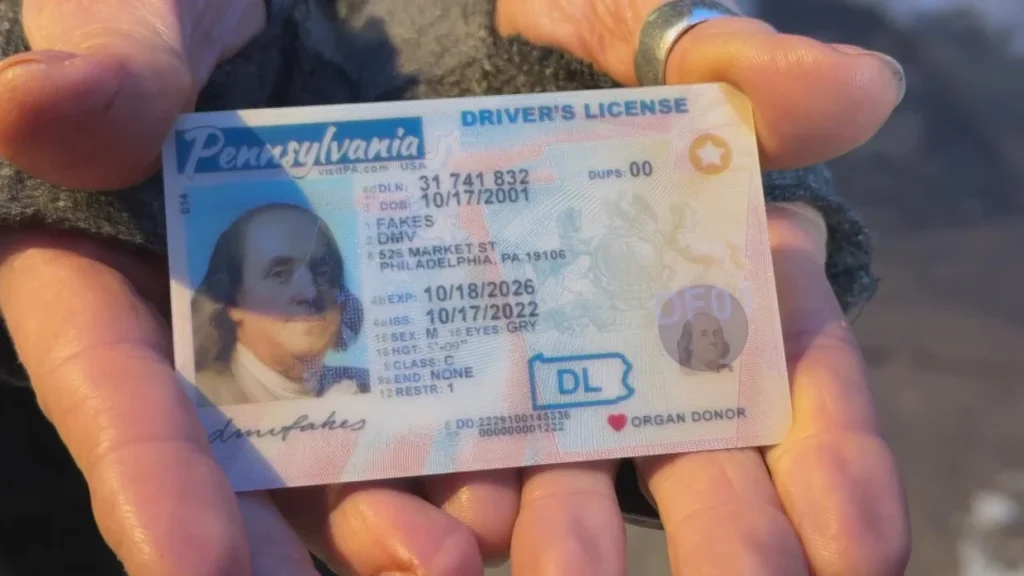
Mar
What Types of Fake IDs Can Pass Barcode Scanners? Understanding ID Verification in 2026
What Types of Fake IDs Can Pass Barcode Scanners? One of the most searched questions online today is: “Can fake ids Pass Barcode Scanners?” With the rise of modern identification systems and digital verification tools, many people are curious about how barcode scanners work and whether scanning alone is enough to confirm the authenticity of an ID.
While the question What Types of Fake IDs Can Pass Barcode Scanners? appears frequently in search engines, the reality is that modern ID verification systems are designed to detect inconsistencies and protect against misuse. Understanding how these systems work can help clarify why barcode scanning is only one part of a much larger verification process.
Why People Ask: What Types of Fake IDs Can Pass Barcode Scanners?
The question What Types of Fake IDs Can Pass Barcode Scanners? is often driven by curiosity about technology. People want to understand how identification cards are designed, how barcodes store data, and how businesses verify identity.
In the past, there was a common belief that if an ID could be scanned, it would automatically be accepted as valid. However, this assumption is outdated. Today, businesses use multiple layers of verification to ensure that identification cards are legitimate.
This is why the question What Types of Fake IDs Can Pass Barcode Scanners? does not have a simple answer.
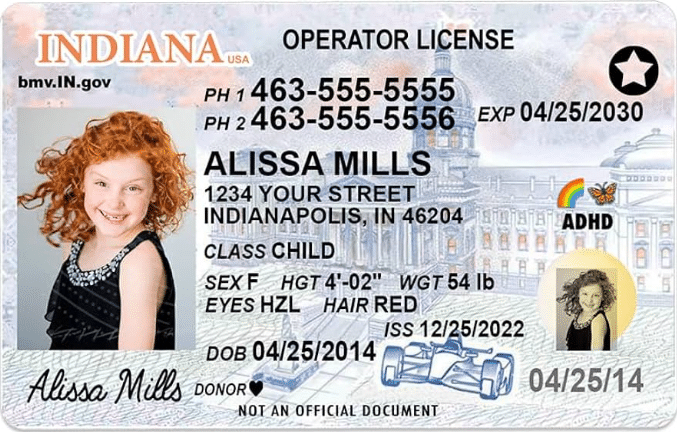
How Barcode Scanners Work
To better understand the topic, it’s important to know how ID scanners operate. Most driver’s licenses in the United States include a PDF417 barcode on the back. This barcode stores encoded personal information such as:
-
Full name
-
Date of birth
-
Address
-
ID number
-
Expiration date
When scanned, this information is displayed on a screen for verification. Because of this, some people assume that the ability to scan an ID determines its authenticity, which leads to the common question: What Types of Fake IDs Can Pass Barcode Scanners?
However, scanning only confirms that data exists in the barcode—it does not confirm that the ID itself is genuine.
Why Scanning Alone Is Not Enough
One of the biggest misconceptions behind the question What Types of Fake IDs Can Pass Barcode Scanners? is the idea that barcode scanning is the only verification method.
In reality, businesses and institutions use a combination of techniques, including:
-
Visual inspection of the ID
-
Checking security features
-
Comparing the photo with the individual
-
Verifying barcode data consistency
Because of these additional steps, even if a barcode is readable, the ID may still be flagged if other elements do not match.
Security Features on Real IDs
Modern identification cards include several advanced security features designed to prevent duplication and ensure authenticity. These features go far beyond the barcode itself.
Common security elements include:
-
Holographic overlays visible when the card is tilted
-
Microprinting that appears under magnification
-
Ghost images (secondary photos)
-
Laser engraving embedded into the card material
-
UV features visible under ultraviolet light
These features are extremely difficult to replicate accurately. When people ask What Types of Fake IDs Can Pass Barcode Scanners?, they often overlook the importance of these physical security elements.
How Businesses Detect Irregularities
Another key reason the question What Types of Fake IDs Can Pass Barcode Scanners? is misleading is that trained staff can identify inconsistencies that scanners cannot detect.
Employees in industries such as hospitality, travel, and finance are trained to look for:
-
Differences in font or spacing
-
Unusual card thickness or texture
-
Missing or poorly replicated holograms
-
Mismatched data between barcode and printed text
These checks make it much harder for invalid identification to be accepted, regardless of whether the barcode can be scanned

The Role of Technology in 2026
As technology continues to evolve, ID verification systems are becoming more advanced. This further reduces the relevance of the question What Types of Fake IDs Can Pass Barcode Scanners?
Modern verification tools now include:
-
AI-powered ID verification software
-
UV light detection devices
-
Mobile scanning applications
-
Digital driver’s licenses stored on smartphones
These tools analyze multiple aspects of an ID, not just the barcode. As a result, verification systems are more accurate and reliable than ever before.
Why the Question Is Misleading
The phrase What Types of Fake IDs Can Pass Barcode Scanners? suggests that passing a scan is enough to confirm authenticity. In reality, this is not the case.
Barcode scanning is just one step in a broader verification process that includes:
-
Physical inspection
-
Data validation
-
Security feature analysis
-
Human judgment
Because of this layered approach, the idea that scanning alone determines validity is outdated.
The Importance of Identity Protection
Another reason this topic is widely discussed is the importance of protecting personal identification. Governments and businesses invest heavily in security features to ensure that IDs remain reliable and secure.
Protecting your identification is essential. Some best practices include:
-
Keeping your ID in a safe place
-
Avoiding sharing ID photos online
-
Reporting lost or stolen IDs immediately
-
Replacing damaged cards when necessary
Understanding how identification systems work helps individuals appreciate the importance of these security measures.
Conclusion
The question What Types of Fake IDs Can Pass Barcode Scanners? is one that many people search online, but it often oversimplifies how ID verification actually works.
Barcode scanners are useful tools, but they are only one part of a much larger system designed to confirm identity. Modern identification cards include advanced security features, and businesses use multiple methods—both technological and visual—to verify authenticity.
As verification systems continue to evolve, the focus is shifting away from simple barcode scanning toward more comprehensive and secure identification methods. Understanding this process helps clarify why modern ID systems are designed to detect inconsistencies and maintain trust in identity verification.
