
Uncategorized
Fake ID Holograms
Dec
Fake ID holograms are often mentioned in discussions about modern identification cards, security printing, and visual authentication features. Holograms—whether on IDs, bank cards, or official documents—exist to help observers distinguish legitimate documents from altered or counterfeit ones. This blog post explores the topic from an educational and informational perspective, focusing on what holograms are, why they are used, and how they fit into broader ID security systems.
What Are Holograms on Identification Cards?
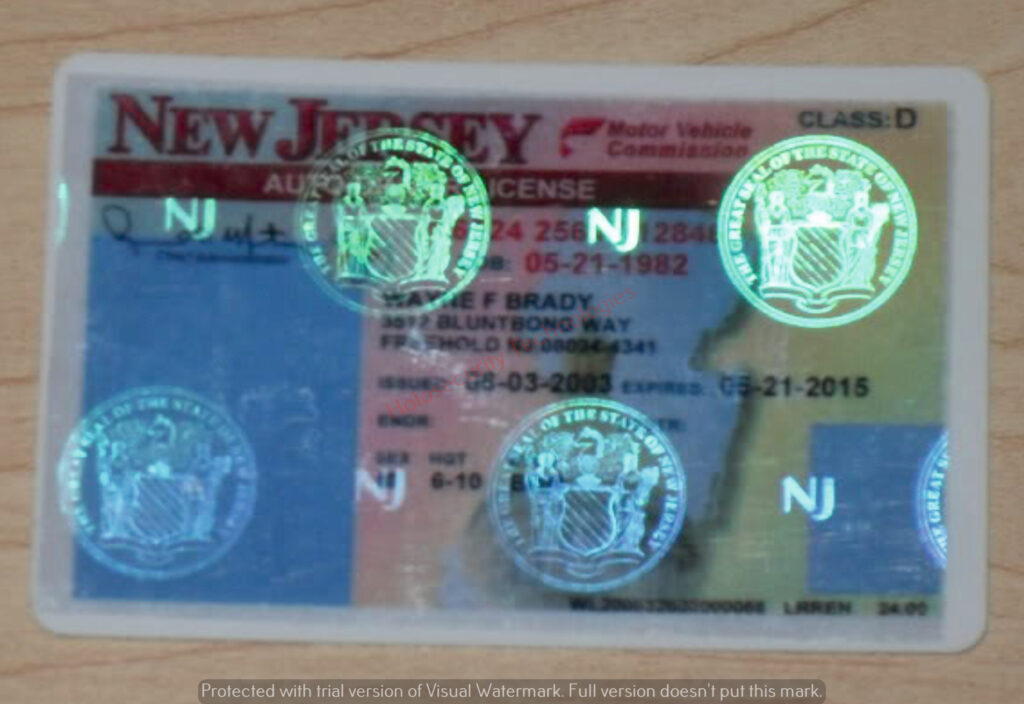
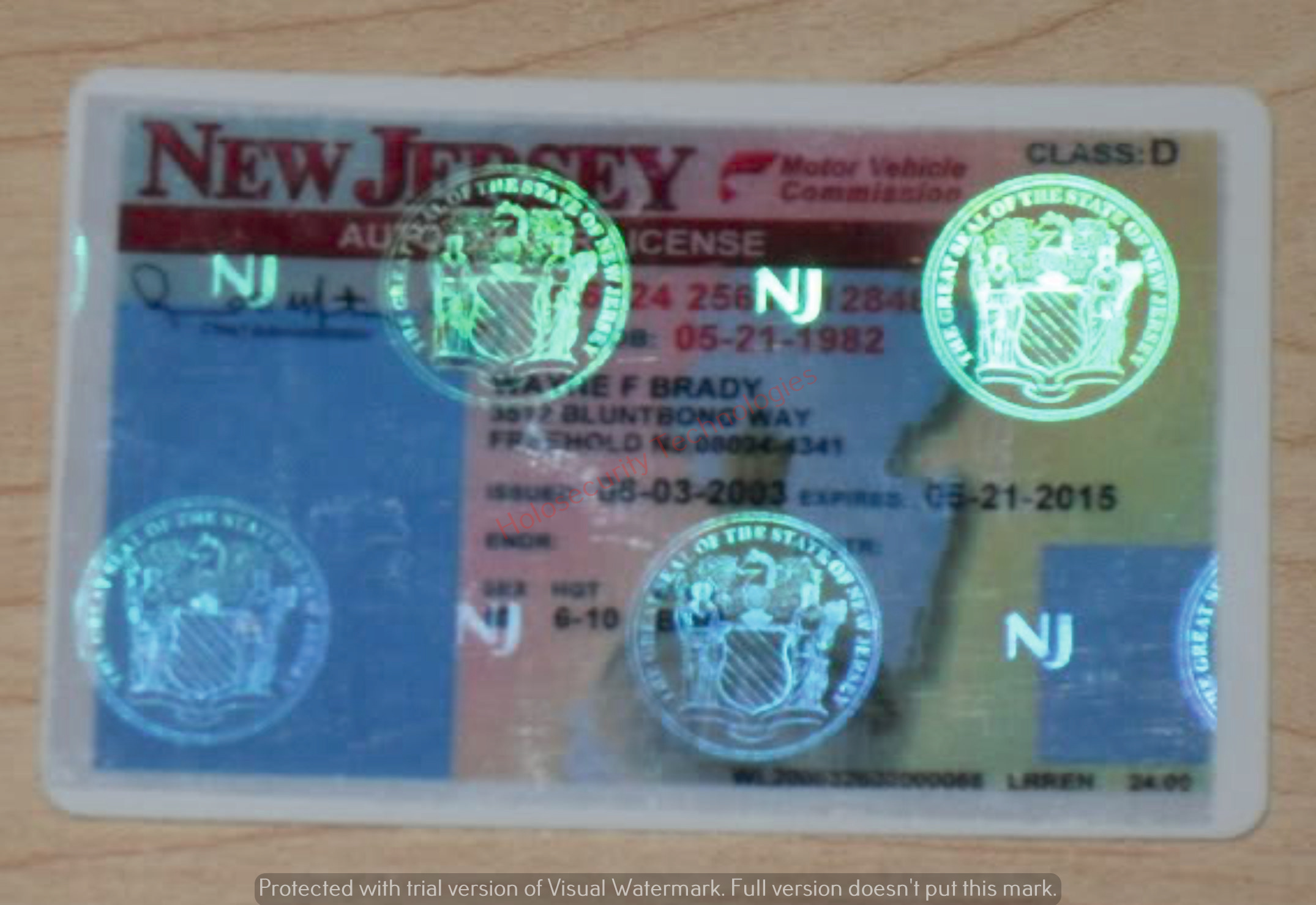
Holograms are visual security elements created using light‑based imaging techniques. On official identification cards, holograms may appear as seals, overlays, emblems, or repeating patterns that change appearance when viewed from different angles.
When people talk about fake ID holograms, they are usually referring to attempts to imitate these visual elements. Understanding holograms begins with recognizing their role as a deterrent and verification aid, not as a standalone proof of authenticity.
Why Governments Use Holograms on IDs
Holograms are widely used on passports, driver’s licenses, and national IDs because they:
- Are difficult to replicate accurately
- Are easy to inspect visually
- Provide quick cues during routine checks
- Add a layer of complexity to document design
The presence of holograms helps officials and businesses perform fast visual screening before relying on other verification methods.
Visual Security vs. Digital Security
A common misconception surrounding fake ID holograms is that holograms alone determine whether an ID is real. In reality, holograms are part of a broader system that includes:
- Printed security features (microtext, UV elements)
- Machine‑readable data (barcodes or chips)
- Design standards specific to issuing authorities
Visual features support digital checks, but neither replaces the other.
How Holograms Function in Real‑World Checks
During everyday ID inspections, holograms serve as a first‑line indicator. Inspectors may tilt the card, observe color shifts, or look for motion effects embedded in the hologram design.
When discussions arise about fake ID holograms, it is usually because visual inspection alone is not always sufficient. This is why many organizations combine visual checks with scanning and policy‑based review.
The Evolution of Hologram Technology
Hologram technology has evolved significantly over the years. Early holograms were simple reflective images, while modern versions may include:
- Multi‑layered designs
- Micro‑embedded images
- Angle‑dependent text or symbols
As holograms become more advanced, they continue to play a role in discouraging unauthorized reproduction and alteration.
Why Holograms Are Often Discussed Online
Search interest in fake ID holograms is driven by curiosity about how identification security works. Movies, social media, and online forums often highlight holograms as a key feature, sometimes overstating their importance.
In reality, holograms are supporting elements, designed to work alongside other safeguards rather than act as a single point of trust.
Limitations of Holograms
Although holograms are effective visual tools, they are not foolproof. Lighting conditions, wear and tear, and unfamiliarity with official designs can reduce their effectiveness.
Because of these limitations, professionals are trained not to rely solely on holograms when evaluating identification documents. This context is essential when discussing fake ID holograms responsibly.
Holograms and Compliance Environments
In regulated environments—such as transportation, finance, and age‑restricted services—holograms are used as part of compliance procedures. Staff are typically trained to:
- Recognize official hologram placement
- Notice inconsistencies or missing elements
- Combine visual checks with system‑based verification
This layered approach improves accuracy and reduces risk.
Educational Perspective on Fake ID Holograms
From an educational standpoint, fake ID holograms are best discussed as examples of why document security relies on multiple defenses. Studying holograms helps explain broader concepts such as anti‑counterfeiting design and risk management.
This topic is often included in coursework related to security printing, forensics, and document examination.
Legal and Ethical Context
It is important to clarify that this article does not encourage or promote illegal activity. Identification documents are legally regulated, and misuse or imitation can carry serious consequences.
Understanding fake ID holograms in a theoretical sense supports awareness and compliance rather than misuse.
Key Takeaways
- Holograms are visual security features, not proof of authenticity
- They support, but do not replace, digital and procedural checks
- Modern IDs rely on multiple layers of protection
- Education about holograms helps reduce misinformation
Conclusion
Fake ID holograms are often discussed because holograms are one of the most visible security features on identification cards. While they play an important role in visual inspection, they are only one component of a much larger verification system.
By understanding how holograms function and why they are used, readers gain a clearer picture of modern ID security. Awareness—not assumption—is the key to interpreting holograms accurately in real‑world identification processes.
