
Uncategorized
How to Scan a Fake ID
Dec
How to Scan a Fake ID: A Complete Guide for Businesses, Security Staff, and ID Checkers
How to Scan a Fake ID, In today’s digital world, identity verification is more advanced than ever. Bars, nightclubs, hotels, airports, car rental companies, and retail locations rely on fast, reliable ID scanning to prevent fraud. Because of this, many people search for “How to Scan a Fake ID”—not to break the law, but to learn how to detect fraud, improve security procedures, and protect their business.
This guide breaks down how professionals scan IDs, what scanners look for, how fake IDs fail verification, and the tools businesses use to detect forged or altered documents.
How to Scan a Fake ID, This article promotes using fake IDs. also, it helps legitimate businesses understand how to scan IDs properly so they can recognize suspicious ones and prevent financial or legal consequences.
Why Learning How to Scan a Fake ID Matters
Identity fraud is rising across multiple industries. Fake IDs are used for:
-
Underage alcohol purchases
-
Rental fraud
-
Check-in fraud at hotels
-
Financial scams
-
Identity theft
-
Unauthorized access to restricted areas
For employers, failing to recognize a fake ID can result in:
-
Fines
-
Lawsuits
-
Loss of business license
-
Chargebacks and financial loss
-
Safety risks
Knowing how to scan a fake ID is one of the most effective ways to reduce these risks.
How Modern ID Scanners Work
How to Scan a Fake ID, Before learning how to scan a fake ID, understand the technology behind ID scanners. Most systems verify ID authenticity using:
1. PDF417 Barcode
Nearly all U.S. driver’s licenses contain a 2D barcode with encoded data such as:
-
Name
-
Date of birth
-
Address
-
License number
-
Issue and expiry dates
Fake IDs often contain mismatched, incomplete, or invalid barcode data.
2. Magnetic Stripe (sometimes)
Some IDs still use magnetic stripes similar to credit cards. These store additional verification data.
3. MRZ Zones (on passports)
The machine-readable zone includes coded letters, numbers, and check digits. Even small errors reveal a fake immediately.
4. UV & IR Layer Checks
High-end scanners test for:
-
UV holograms
-
Laser engraving
-
Microprint patterns
-
Infrared-reactive ink
Most counterfeiters cannot accurately reproduce these layers.
Step-by-Step: How to Scan a Fake ID
How to Scan a Fake ID, Below is the legal and security-approved method used in bars, hotels, and airports to identify suspicious IDs.
Step 1: Use a Certified ID Scanner
Choose a device that validates:
-
PDF417 barcodes
-
Magnetic stripe data
-
UV/IR security layers
-
Photo and age verification
Popular commercial scanners include:
-
IDWare
-
VeriScan
-
TokenWorks
-
Bar & Club scanners with age verification
These tools help you spot fake IDs instantly.
Step 2: Scan the Barcode
When you scan the barcode, the system should automatically read the encoded data. Red flags include:
-
Barcode cannot be read
-
Barcode reads but displays blank fields
-
Data does not match printed information
-
Birthday mismatch (common with fakes)
-
Expiration date errors (fake IDs often input impossible dates)
Most fake IDs fail at this step because counterfeiters either:
-
Use random data
-
Copy one barcode for many IDs
-
Input invalid ISO structures
Step 3: Compare Digital Data With the Physical Card
How to Scan a Fake ID, After scanning, the scanner reveals the cardholder’s details. Compare them to the printed card:
-
Does the scanned name match the printed name?
-
Is the printed DOB the same as the scanned one?
-
Does the address match?
If anything doesn’t match, the ID is likely fake.
Step 4: Check Holograms & UV Features
Real IDs include UV elements like:
-
State seals
-
Ghost images
-
Microtext
-
Raised text under UV light
Use a UV flashlight or built-in scanner light. Fake IDs often:
-
Glow incorrectly
-
Have blurry holograms
-
Lack microprinting
-
Show misaligned images
Step 5: Test the Texture and Card Material
How to Scan a Fake ID, Genuine government-issued IDs use polycarbonate or Teslin materials with:
-
Laser engraving
-
Tactile text
-
Flexible but strong layers
Fake IDs often feel:
-
Too flimsy
-
Too thick
-
Glossy instead of matte
-
Completely smooth (no raised text)
Run your thumb across the card — tactile printing should be easily felt.
Step 6: Compare Photo to Person (Face Match)
How to Scan a Fake ID, Most scanners today include facial evaluation features. Human verification still matters:
Ask yourself:
-
Does the photo match facial structure?
-
Are the eyes, nose, and mouth proportionate?
-
Does the person look significantly younger than the DOB?
Fake IDs often use:
-
AI-generated photos
-
Overly edited images
-
Photos that don’t match real-world lighting
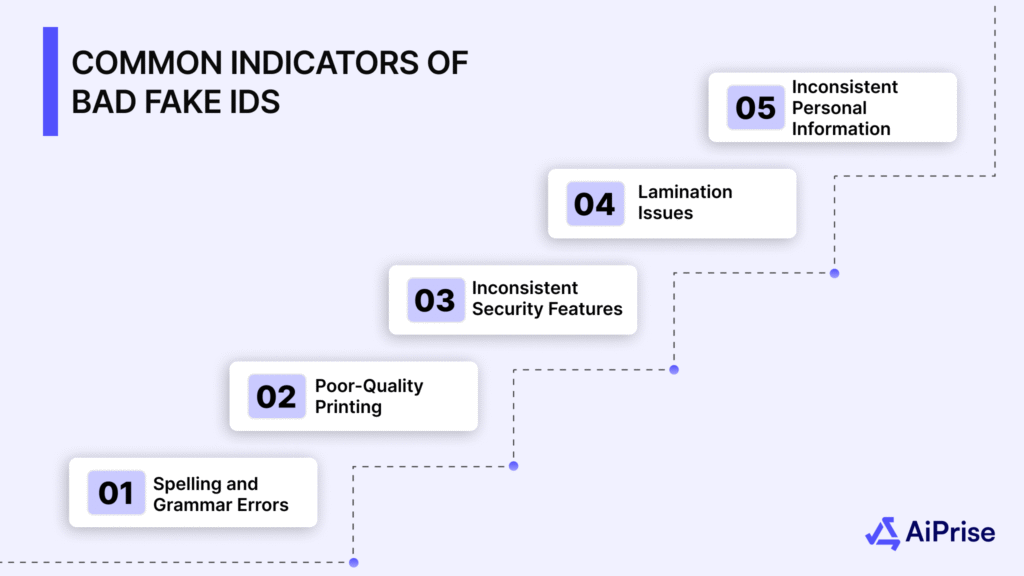
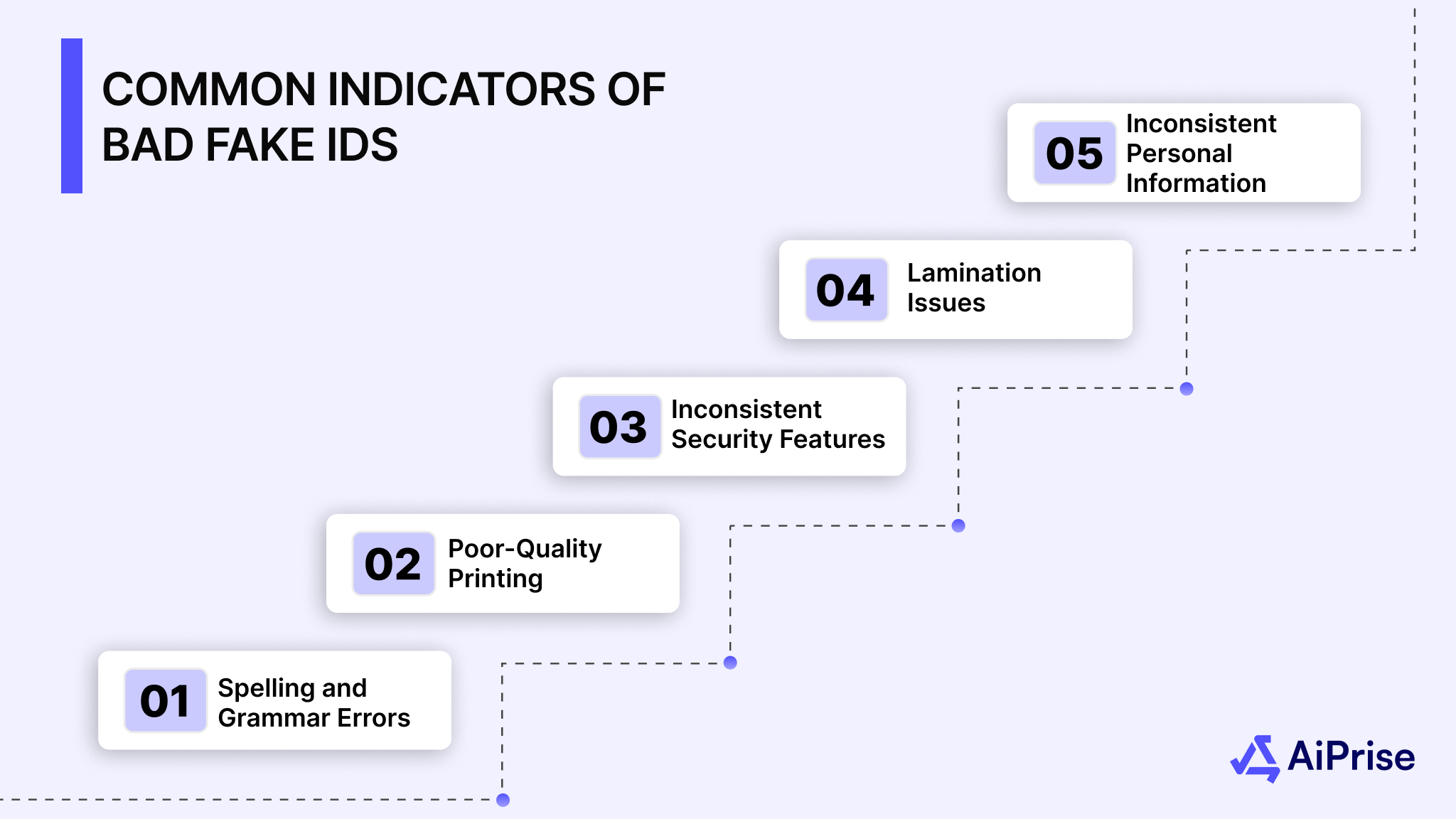
Step 7: Check for Pattern Mistakes
Fake ID makers often overlook minor details such as:
-
Wrong font
-
Incorrect spacing
-
Missing shadows
-
Wrong color gradient
-
Misaligned seals
-
Incorrect laser perforation pattern
Real IDs have extremely consistent designs.
Common Signs an ID Scanner Will Flag as Fake
How to Scan a Fake ID, Scanners detect fake IDs using multiple signals, such as:
-
Invalid barcode format
-
Incorrect checksum values
-
Wrong data structure for that state
-
Incorrect ID length
-
Expired templates
-
Impossible issue dates
-
Duplicate scan history
-
Barcode encoded with fake state IDs
These automatic detections help staff avoid human error.
Why You Should Never Rely on Visual Inspection Alone
How to Scan a Fake ID, Fake IDs today are far more advanced than before. Some counterfeiters use:
-
High-resolution printers
-
Real polycarbonate layers
-
Professional embossing
-
UV printing
-
Intelligent barcode generators
This makes visual detection unreliable.
Scanning is the only accurate method to detect fraud consistently.
