
Uncategorized
How to Get a Fake Driver’s License
Nov
Looking to get a fake driver’s license that passes as real?
You’re not alone.
Whether you’re trying to enter a club or buy alcohol, a scannable fake driver’s license can make all the difference.
At clubs21ss.com, we know exactly what it takes to create IDs that work, with features like barcodes and holograms that pass any test.
How to Get a Fake Driver’s License, In this post, I’ll show you everything you need to know about fake driver’s licenses, from customization options to how you can get one that works every time.
Key Features Often Seen in Counterfeit Driver’s Licenses
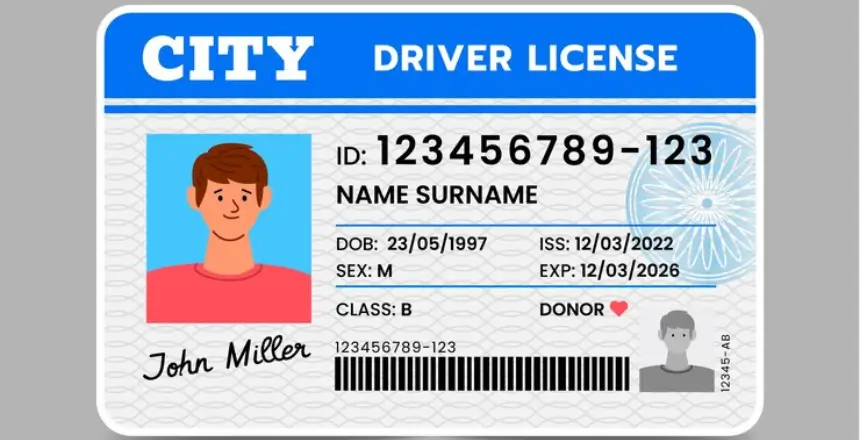
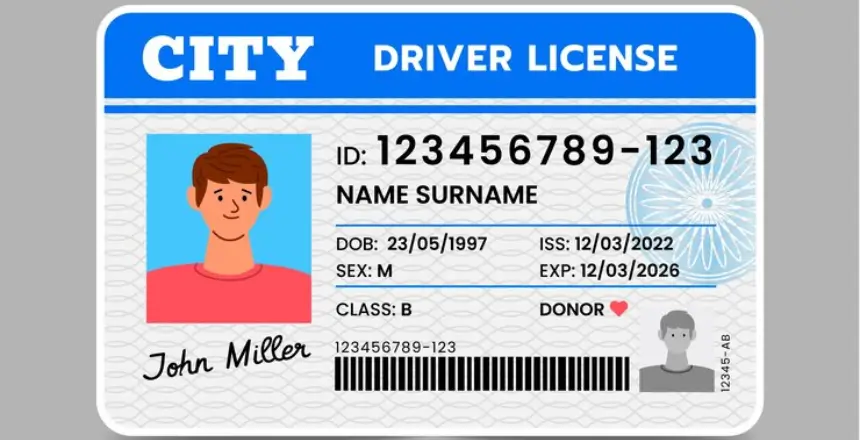
Understanding how counterfeit driver’s licenses are made can help people and businesses recognize them more effectively. High‑quality counterfeits don’t rely only on appearance — they attempt to mimic both the physical design and the functionality of genuine IDs.
Scannability and Magnetic Strips
One of the main elements counterfeiters try to replicate is scannability. Many modern IDs contain barcodes and magnetic strips that store encoded data. When scanned at bars, clubs, or retail locations, the information should match what’s printed on the card.
How to Get a Fake Driver’s License, If a fake license lacks a properly formatted barcode or magnetic strip, it may look convincing visually but fail electronic verification. Magnetic strips are especially important in places that still rely on swipe-based readers.
Holograms, UV Ink, and Raised Text
Modern driver’s licenses use several security features that make them hard to duplicate. These include holograms that shift under light, UV ink that only appears under ultraviolet scanners, and raised or embossed text that can be felt by touch. Counterfeiters often attempt to imitate these elements because they are among the first things verified during an authenticity check.
Microprinting and State-Specific Design Elements
Microprinting—extremely small text printed on various parts of the card—is another protective feature found on genuine IDs. It’s difficult to reproduce clearly without high‑end equipment, which makes it a reliable way to spot counterfeits.
How to Get a Fake Driver’s License, Official IDs also contain design elements unique to each state, such as specific fonts, color patterns, symbols, and layout structures. These small details are important in the verification process and help distinguish authentic licenses from counterfeits that may overlook or inaccurately reproduce them.
Material Quality and Durability
Real driver’s licenses are made from durable materials like PVC or polycarbonate, giving them a sturdy feel. A well-made fake ID should have the same material quality, ensuring it holds up over time.
If the ID feels cheap or flimsy, it’s likely to raise red flags when inspected.
Back of the ID
The back of a legitimate driver’s license contains just as many security‑focused details as the front. This usually includes a properly formatted barcode, state‑specific text, and sometimes emergency or administrative information depending on the state that issued it.
During verification, inspectors and scanning devices rely on the back of the card to confirm data accuracy, formatting, and consistency. Any mismatch between the printed information and what the barcode encodes is a strong indicator of tampering or counterfeiting.
How to Get a Fake Driver’s License, Understanding what belongs on both sides of an official ID helps people — including bouncers, security staff, and retailers — recognize inconsistencies more easily.
What Are the Most Common U.S. States Seen in ID Verification?
When businesses, security teams, and age‑restricted venues talk about spotting fake IDs, certain states come up more often. This isn’t because they are “easier to fake,” but because these states simply have huge populations and their licenses appear everywhere — which naturally makes them more frequently examined.
California, Texas, and New York: The Big Three
These states are consistently discussed in fraud‑prevention circles because their IDs show up across the country more than any others.
California
California licenses are extremely common due to the state’s massive population and tourism. Bouncers and clerks see them daily, so staff are trained to recognize the design, security features, and formatting. The state issues modern, detailed IDs with holograms, UV elements, and a distinct color layout.
Texas
Texas has one of the largest populations in the U.S., which means its licenses are widespread. Security staff often mention them in training because of their recognizable layout and the large number of Texans traveling or moving out of state.
New York
New York IDs are heavily referenced in verification training because they come from a diverse population that travels widely. They include multiple security elements and a bold, recognizable design, making them a common example when learning to spot inconsistencies.
States Often Targeted by Counterfeiters: Georgia and Ohio
How to Get a Fake Driver’s License, In ID‑verification and fraud‑prevention training, certain states come up more often because their designs have historically been simpler or less complex than high‑security states like California or New York. This doesn’t mean the IDs are “easy to pass,” but rather that counterfeiters tend to target them more frequently.
Georgia
Georgia’s older ID designs have been known to include fewer advanced security elements, which made them a common target for counterfeit attempts. Things like less complex holograms or basic layout structures meant businesses needed to pay closer attention to spot inconsistencies.
Ohio
Ohio licenses also appear in discussions about verification because of their straightforward layout. When an ID design is simple, fraud‑prevention staff must rely more heavily on examining fonts, spacing, micro‑details, and barcode data to ensure authenticity.
States With Higher Security Standards
Some states invest heavily in advanced ID security, making their licenses far more challenging for counterfeiters to imitate. These states use layered, high‑tech features that are specifically designed to expose fraudulent documents during inspections.
Arizona, Michigan, New Jersey
These states are known for some of the strictest ID security in the country. Features commonly include:
-
Multiple holograms with shifting light patterns
-
Intricate UV designs visible only under special lighting
-
3D tactile elements that can be felt by touch
-
Complex microprinting and color‑shifting ink
Because of these enhancements, counterfeit versions of these states are more likely to fail verification checks. Businesses and security staff in these regions also tend to be more vigilant because they’re accustomed to higher security standards.
